FBI Fingerprinting & Identity History Guide for Visa Applicants
Applying for a visa often requires an FBI background check. This guide summarizes fingerprinting requirements, how to request an FBI Identity History Summary, expected processing timelines, and practical steps to avoid delays so international applicants can complete checks correctly and on time.
Key Takeaways
- FBI checks verify identity and criminal history and are commonly required for visa decisions.
- Bring an unexpired government photo ID and use the FBI‑specified fingerprint card or an approved electronic submission.
- Fingerprinting is offered at some police stations, consular centers, and accredited private vendors.
- The Identity History Summary reports arrests and dispositions and is often requested for adjudication.
- Electronic submissions can cut processing to about 24–48 hours; mailed cards often take 8–10 weeks.
- Legible prints and accurate personal details reduce rejections and delays.
- Fees vary by provider and location—confirm costs and whether submission is included.
- If issues arise, contact the vendor first, then the FBI or visa office if needed.
How do international applicants complete the FBI fingerprinting process for visa applications?
Fingerprinting captures biometric data used to verify identity and check criminal history. Applicants should know which fingerprint form to use (card or electronic), what ID to bring, and how prints will be submitted to the FBI for an Identity History Summary.
Biometric checks are a routine part of security screening used by federal agencies when assessing visa eligibility.
FBI Fingerprint Checks for Visa Screening
The FBI’s Next Generation Identification (NGI) system records fingerprint data and returns any matching criminal history. Department of Homeland Security and other federal agencies may cross‑check NGI results with other intelligence and defense databases during visa screening. These coordinated checks occur as part of pre‑issuance vetting to assess applicant suitability.
Restoring Integrity and Security to the Visa Process
What are the fingerprinting requirements for visa background checks?
To ensure successful FBI processing, meet the basic requirements below and follow vendor or embassy instructions exactly.
- Valid identification: Bring an unexpired government‑issued photo ID (passport or national ID).
- Correct fingerprint form: Use the FBI‑approved card or an authorized electronic submission; the wrong form can cause rejection.
- Payment: Pay any vendor or processing fees required by your chosen submission method.
Meeting these requirements lowers the chance of rejection and keeps your application on schedule.
Reliable biometric capture at the start is essential for identity verification and beginning the background‑check workflow.
Fingerprints for Identity Verification in Migration
Identity checks in migration procedures typically begin with fingerprints (commonly required for applicants aged 14 and older) and photographs, followed by an interview about the applicant’s background and intentions. These steps establish identity before further eligibility assessments.
Challenges and practices for establishing applicants’ identity in the migration process, 2017
Where and how can applicants book fingerprinting appointments?
Booking is typically straightforward if you know where to look and what to bring.
- Find authorized locations: Search local police, consular centers, or accredited private vendors that provide FBI‑compatible prints.
- Schedule the appointment: Many vendors offer online booking—pick a time that allows you to gather documents.
- Prepare documents: Bring your photo ID, the correct fingerprint card (if needed), and any visa forms or reference numbers.
Proper preparation helps ensure clear, acceptable prints that the FBI will process.
Most embassies and accredited vendors follow established technical standards for biometric capture.
Biometric Fingerprinting for Visa Applications
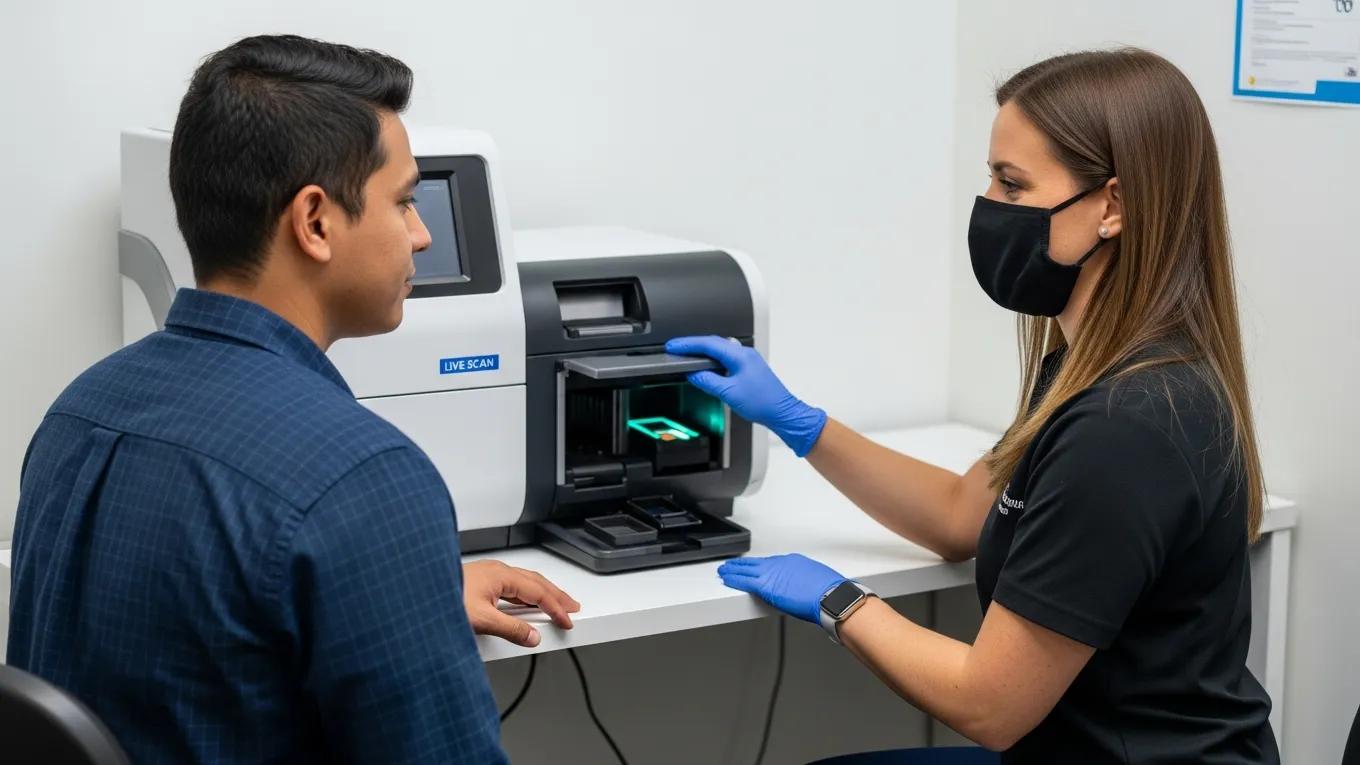
At embassies and approved centers, technicians capture all ten fingerprints using a fingerprint scanner or by rolling prints onto a card. While ethical and logistical concerns exist, biometric fingerprinting has become a standard practice in visa processing due to its effectiveness for identity verification.
Biometric fingerprinting for visa application: device and procedure are risk factors for infection transmission, JA Jacobs, 2008
What is the FBI Identity History Summary and how is it requested?
The Identity History Summary (also called a criminal history summary or rap sheet) lists any federal, state, or local arrests and dispositions tied to an individual. Immigration authorities use it to evaluate admissibility.
How to submit a request for the FBI background check document?
To request an Identity History Summary:
- Complete the application form: Use the FBI form or the portal specified by the embassy.
- Submit fingerprints: Include a completed fingerprint card or an authorized electronic submission.
- Pay the processing fee: Follow the payment instructions for your submission type.
Accurate forms and legible prints speed processing and reduce errors.
What documents and information are needed for the Identity History Summary?
Prepare the following to avoid delays:
- Completed application form: Provide full name, date of birth, current/former addresses, and required identifiers.
- Fingerprint card or electronic submission: Supply a properly completed FBI card or an approved electronic submission.
- Payment details: Include fee payment information or follow the online payment flow.
Double‑check names, dates, and ID numbers so records match and processing proceeds without hold‑ups.
How long does the FBI background check take for visa processing?
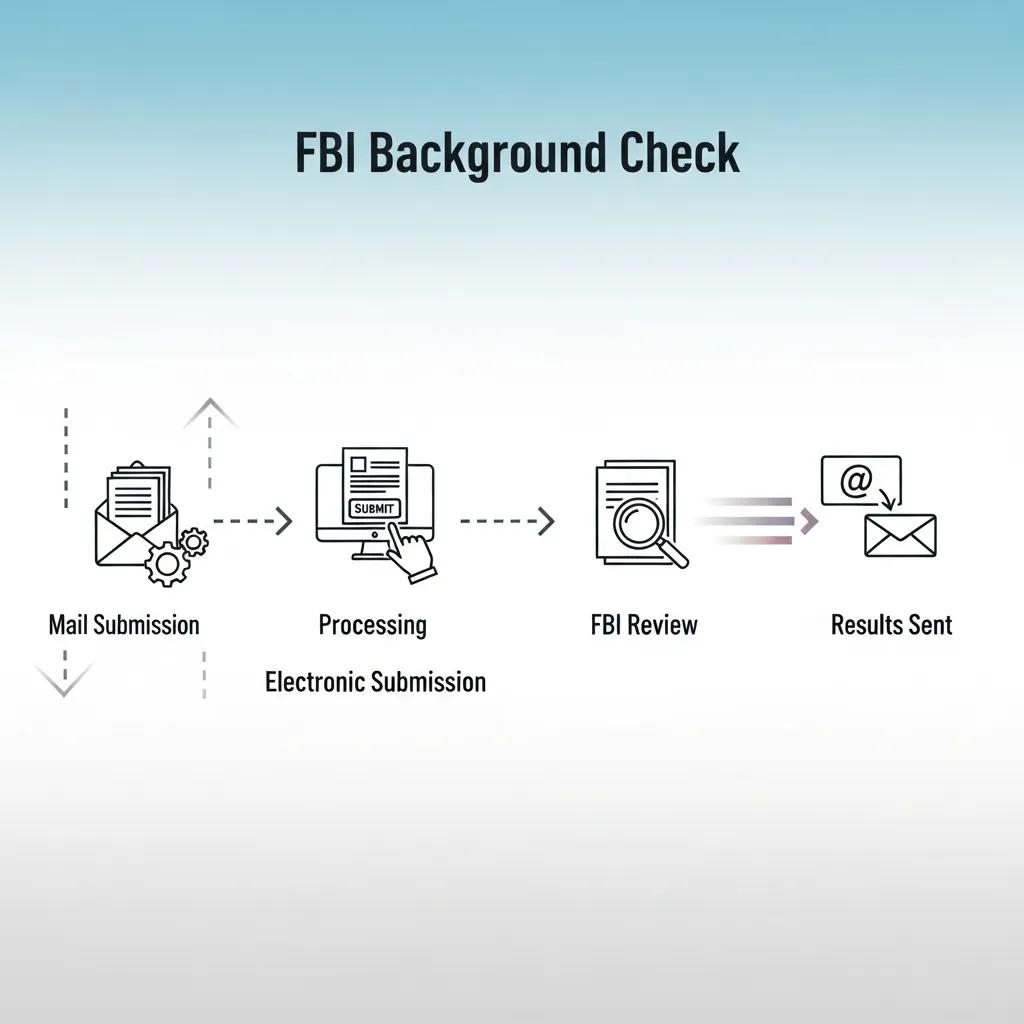
Processing time depends on submission method and current FBI workload; choose the fastest compliant option for your visa timeline.
What are the typical processing times for international applicants?
- Mail submissions: About 8–10 weeks.
- Electronic submissions: Often 24–48 hours.
Times vary with demand, completeness of your submission, and any additional checks the requesting agency requires.
Can electronic fingerprint submissions speed up the background check?
Yes. Electronic submissions remove mail transit and manual handling, often causing turnaround within 24–48 hours. Confirm your vendor’s electronic process meets FBI and visa‑office requirements before relying on it.
What are common questions and troubleshooting tips for FBI background checks in visa applications?
Being prepared reduces common problems. Keep clear records, verify details, and follow up promptly if an issue appears.
How to handle delays or issues with fingerprinting services?
If you encounter delays:
- Contact the service provider: Request status and confirmation that prints were transmitted.
- Check for errors: Ensure names, dates, and IDs on the card match your application exactly.
- Follow up with the FBI or visa office: If delays continue, ask the FBI or requesting agency for a status update and next steps.
Keep copies of all submissions and a log of communications until the case is closed.
What are the costs and pricing transparency for fingerprinting appointments?
Fees vary by country and provider. Typical charges often fall within a moderate range, but confirm whether the quoted fee covers printing, submission, and handling to avoid surprises.
Use a reputable vendor with clear pricing and experience submitting to the FBI to reduce the likelihood of resubmission.
Frequently Asked Questions
What should I do if my FBI background check is delayed?
Confirm the vendor submitted your prints and that personal details match your visa application. If you still need answers, contact the FBI or the visa authority for a status update and keep records of all communications.
Are there alternatives to FBI background checks for visa applications?
Some visas accept local police certificates or national criminal records instead of an FBI summary. Follow the embassy or consulate instructions for your specific visa type.
How can I ensure my fingerprints are accepted by the FBI?
Use the FBI‑specified card or an accredited electronic provider, ensure prints are clear and complete, and verify all personal information. Vendors experienced with FBI submissions reduce rejection risk.
What happens if I have a criminal record?
If your Identity History Summary shows a record, immigration officials will review it in adjudication. The impact depends on offense type and visa rules; consider consulting an immigration attorney for case‑specific advice.
Can I expedite my FBI background check request?
Electronic fingerprinting is the fastest option. Mailed cards take much longer—confirm electronic options with your vendor or the requesting visa office.
What should I do if my Identity History Summary contains errors?
If you find inaccuracies, follow the FBI’s dispute and correction process and provide supporting documents. Keep copies of all correspondence and evidence while corrections are processed.