Is Your Smartphone Fingerprint Security Really Safe?
We rely on our smartphones for nearly everything — storing personal photos, banking information, passwords, and daily communications. With so much sensitive data living in one device, smartphone fingerprint security has become one of the most popular ways to lock it all down. But is it actually as secure as we believe?

How Fingerprint Security Works on Smartphones
Biometric security — specifically fingerprint scanning — has long been considered one of the most reliable authentication methods available to consumers. Unlike PINs or passwords, a fingerprint is unique to each individual, which is why major manufacturers like Apple and Samsung have integrated it deeply into devices like the iPhone and Galaxy series.
However, recent findings suggest that smartphone fingerprint security is not as foolproof as once thought — and hackers may have more tools at their disposal than you’d expect.
How Hackers Can Bypass Fingerprint Security
According to a report by The Verge, smartphone biometric security can be bypassed using a surprisingly low-tech method: a dental mold cast or even play-dough shaped to replicate a fingerprint. When pressed against the scanner, these fake prints were able to unlock both the iPhone 6 and the Samsung Galaxy S6 Edge in testing.
For this attack to work, a bad actor needs access to the victim’s original fingerprint to create the mold — but that bar may be lower than it sounds. Fingerprints are left on surfaces constantly and can be lifted with relative ease.
More sophisticated attackers are also exploring the use of 3D printing technology to reconstruct fingerprints from stored or stolen digital images, which could dramatically increase the accuracy and scalability of this biometric security hack.

Why Stolen Fingerprints Are More Dangerous Than Stolen Passwords
Here’s where smartphone fingerprint security faces its biggest challenge: you can change a password, but you can’t change your fingerprint.
If a hacker compromises your PIN or password, the fix is simple — update it. But if your biometric data is stolen or replicated, there is no reset option. Your fingerprint is permanent, which makes any successful breach of biometric security potentially far more damaging in the long run.
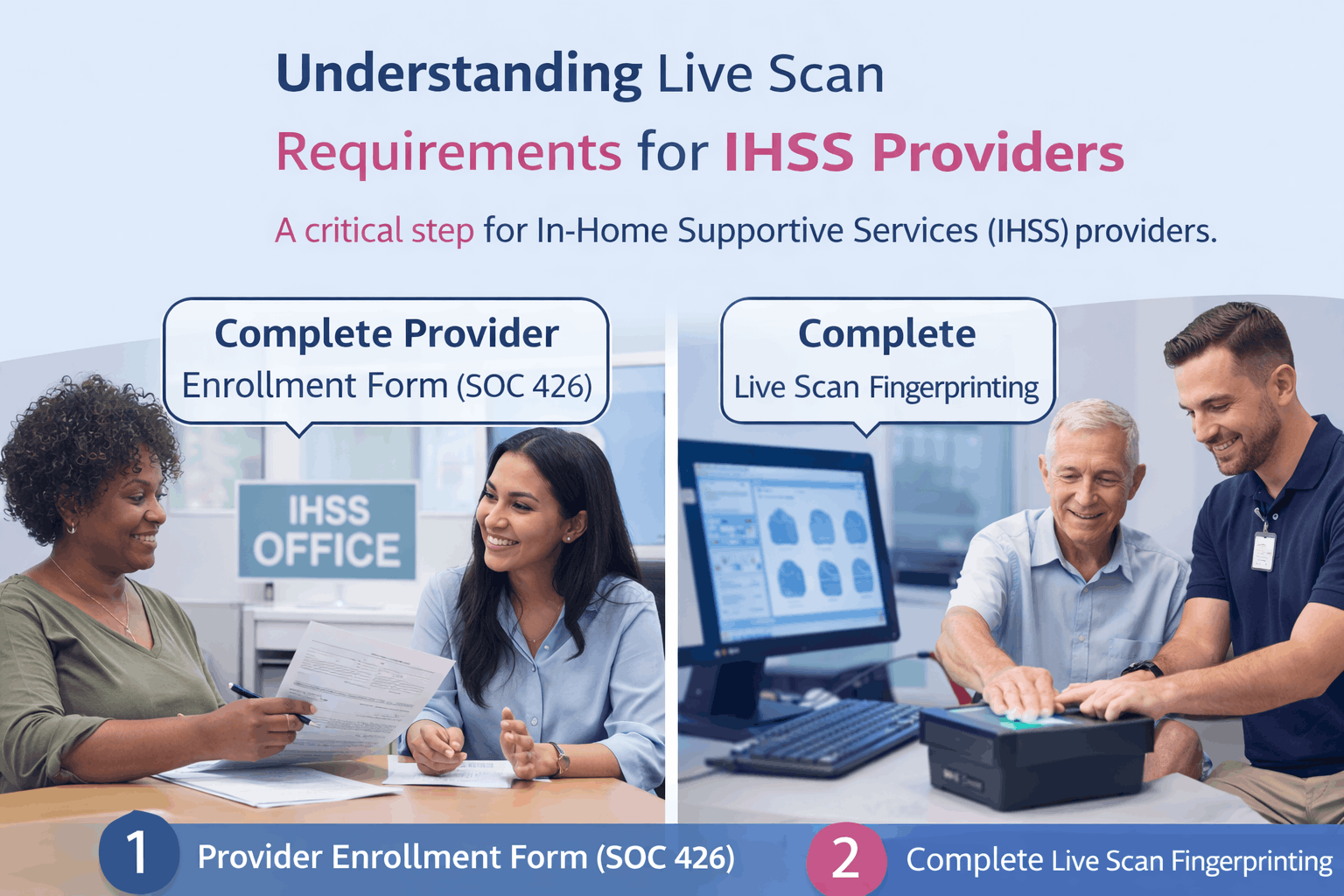
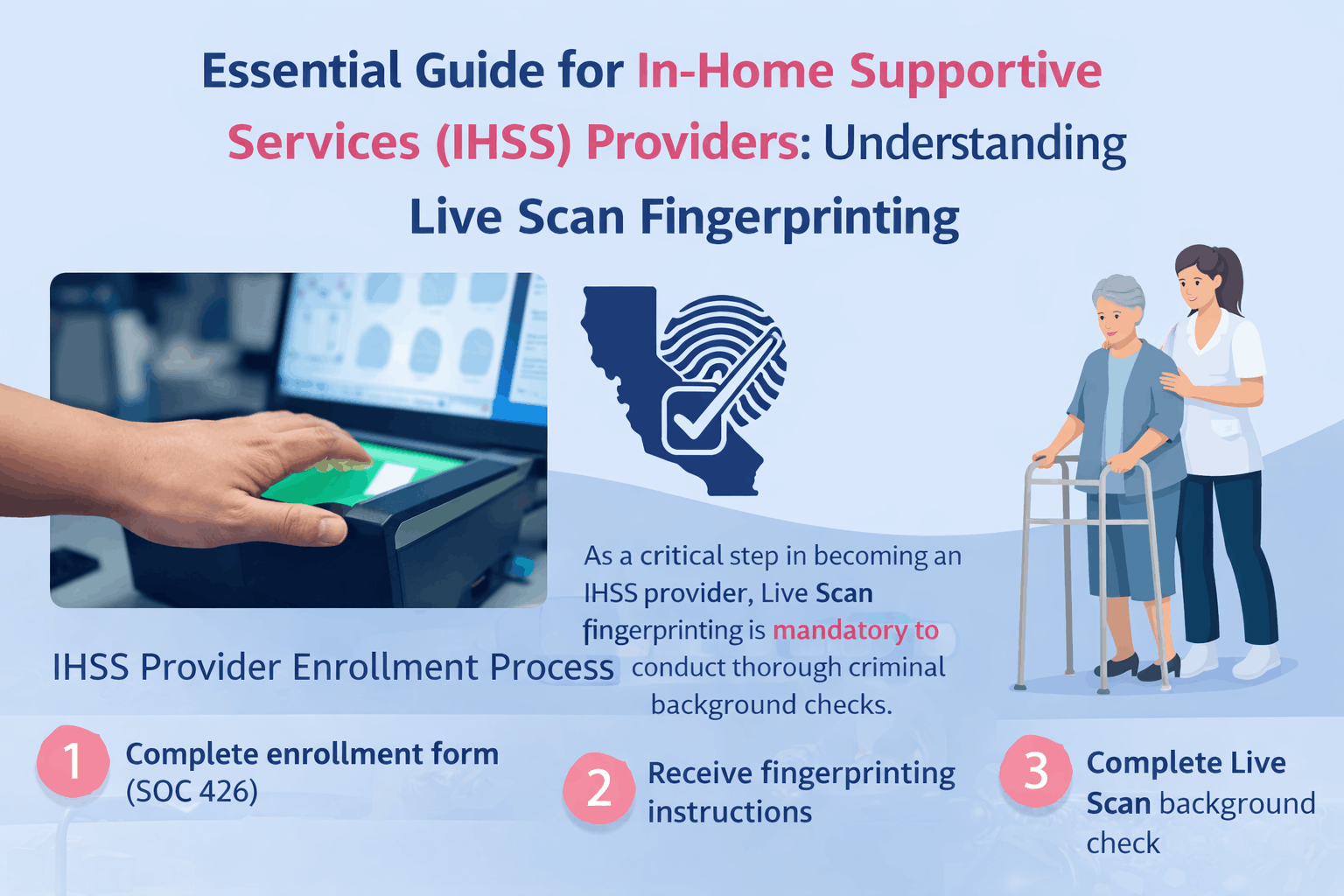
Additionally, many people have had their fingerprints collected at some point — through background checks, government IDs, or employment screening — which raises a broader question: how truly private is your biometric identity?
What You Can Do to Protect Yourself
While smartphone fingerprint security remains a strong first line of defense for most users, it’s worth layering your protection:
- Enable two-factor authentication (2FA) on sensitive apps alongside biometric login
- Use a strong backup PIN or password that isn’t easy to guess
- Be mindful of where you leave fingerprints on high-value devices in public spaces
- Keep your device OS updated — manufacturers regularly patch known security vulnerabilities
The Bottom Line
Smartphone fingerprint security is still one of the better consumer security options available, but it is not invulnerable. As technology evolves, so do the methods attackers use to exploit it. Staying informed and using layered security practices is the best way to keep your personal data safe.